_comdivision_team-81 (2)

Support for vSphere 8 and VCF 5.2 Ends in October 2027

On 11 October 2027, vSphere 8 and VMware Cloud Foundation 5.2 reach end of service. No support, no patches. Whatever runs on them today has to be somewhere else by then.

If you are in the European Economic Area there is a cushion: version 8 stays on sale a little longer, and active subscriptions carry Extended Support into 2028. It buys time. It does not change where you end up.

So there are two questions, and they are not the same one. Where do you go, and how do you get there without a bad weekend? And once you are there, who keeps the platform patched, release after release?

We answer both. Our architects look at what you run today, work out the route, and write it down as a plan your own team can follow. If you would rather not run it alone, we stay on for the operations.

Fixed scope, a written result, no obligation.
How We Handle Lifecycle and Patching

Three starting points, one method. A fixed-scope assessment that produces your path, your pre-upgrade checks and your runbooks - then, if you want it, ongoing support for the patch rhythm that follows.

Three Dates. They Are Not the Same Date.

In the European Economic Area, two of them give you room. One of them does not move at all.

11 Oct 2027

End of general support

vSphere 8 and VCF 5.2. No support, no patches. Applies everywhere.

31 Oct 2027

Last day to buy, EEA only

vSphere Standard 8 and Enterprise Plus 8 stay on sale in the EEA until this date.

31 Oct 2028

Extended Support, EEA only

Included in active subscriptions, until your subscription ends or this date - whichever comes first.

None of these dates opens a path to the current release. An extension keeps you on version 8 while the platform moves on. It is the same decision, taken later, with a wider gap to close - so the route to VVF or VCF is worth planning now rather than waiting for the next extension.

The EEA covers the EU member states plus Iceland, Liechtenstein and Norway. Before any contractual commitment, check your own entitlement against Broadcom's Product Lifecycle Matrix - that is the source that counts in an audit.

Lifecycle Inventory & Baseline

Where you actually are, and how you got there.

vSphere 8.x, VCF 5.2.x or VCF 9.0.x - we map component versions, bill of materials and dependencies, including the history of the environment rather than only its current state. A maintenance action carried out correctly years ago can still decide how an upgrade ends.

Converge or Upgrade, Then Sequence

The order is not a recommendation.

First the route: convergence from vSphere, in-place upgrade from VCF 5.2.x or 9.0.x. Then the sequence inside it - which builds need an intermediate hop, which component goes first, what must never run in parallel, and which steps are off limits for the "Upgrade All" button.

Pre-Upgrade Verification

Checks before the window, not findings after it.

Database consistency, health inspection, inventory drift between SDDC Manager and the actual vCenter and NSX state, backup and rollback points, and the vendor pre-checks for your versions. Environments running vSphere Supervisor or VKS get particular attention.

Where you start

vSphere 8.x / VVF

Converge into VCF · VCF Installer

VCF 5.2.x

In-place upgrade · direct to 9.1

VCF 9.0.x

In-place upgrade · stays on 9.x

No direct path from anything older than VCF 5.2.

↓

Stage 1 · Assessment · fixed scope

01

Inventory & Baseline

Versions, BOM, dependencies, history

→
02

Pre-Upgrade Verification

Checks, drift, backup and rollback points

→
03

Path & Runbooks

Converge or upgrade, sequence, windows

Handover. You can stop here.

Stage 2 · Operations · recurring

04

Maintenance Windows

Run to the runbook

→
05

Patch & Advisory Watch

Tracked, re-checked after every upgrade

↻

↻ 04 and 05 repeat with every release and every advisory

For the Architects: What Changes Under the Hood

The part that makes this more than a version bump. Skip it if you only need the plan.

Lifecycle moved house

In 9.1 the work runs in VCF Operations through Fleet Lifecycle, SDDC Lifecycle and Software Depot. SDDC Manager stays, but its interface is deprecated.

Aria Suite Lifecycle ends here

There is no upgrade from it to 9.1. What it did in 5.2 is taken over by the new lifecycle services.

The order is prescribed

VCF Operations before SDDC Manager, licence servers before ESX hosts, and a depot operation blocks every other lifecycle task while it runs.

Do not press "Upgrade All"

The release notes say so in capital letters, for as long as those dependencies are not met.

Nothing older than 5.2

No direct path to 9.1, and some 5.2 builds need an intermediate hop before the target release.

Workarounds expire quietly

A workaround set for an open advisory can be gone after the next upgrade, and nobody gets a notification about it.

Runbooks You Can Hand Over

Written for your team, not for us.

Step by step per component, with validation points, rollback points and the conditions that have to hold before the next step starts. The point of a runbook is that your own people can run the window without us on the call.

Patch and Advisory Watch

A rhythm, not a reaction.

Advisories are tracked against the versions you actually run, and every workaround is re-checked after an upgrade - because a workaround that disappears quietly is worse than one that was never set.

Maintenance Window Planning

Fewer windows, and the ones you keep actually hold.

We plan phases, dependencies and realistic windows, including the buffer most plans forget to leave. Where Live Patching applies, it can remove the need for a window altogether - we identify where that is the case in your environment.

Architecture-Led, Not Script-Led

A plan built around your estate, not around a template.

The architects who design VCF platforms are the ones who write the lifecycle plan. That is why it survives contact with your dependencies, your change process and your maintenance calendar.


Operations Support That Fits Your Team

You run it, we run it, or we run it together.

Some customers take the runbooks and operate independently. Others want an architect in the window, or hand the lifecycle over entirely. Scope, responsibilities and availability are agreed per customer and put in writing before anything starts.


Independent VMware Specialists

100% VMware-focused. No competing priorities.

We do not carry other hypervisor vendors in our portfolio. Our consultants hold the top-tier VMware certifications and have delivered more than 100 VCF projects over 20+ years - from assessment through migration to managed operations.


Led by VCF-Certified Lead Architects (Broadcom Knights) with Real-World Expertise

Yves-Sandfort

Yves Sandfort

Yves Sandfort brings decades of experience in the ISP and MSP space, having founded his first internet service company at just 19. As the driving force behind comdivision, now a globally recognized VMware-focused Cloud Professional Services Provider, Yves holds the prestigious VMware Cloud Design Expert certification and continues to lead strategic transformation initiatives for enterprise customers worldwide.
Sascha-Schwunk

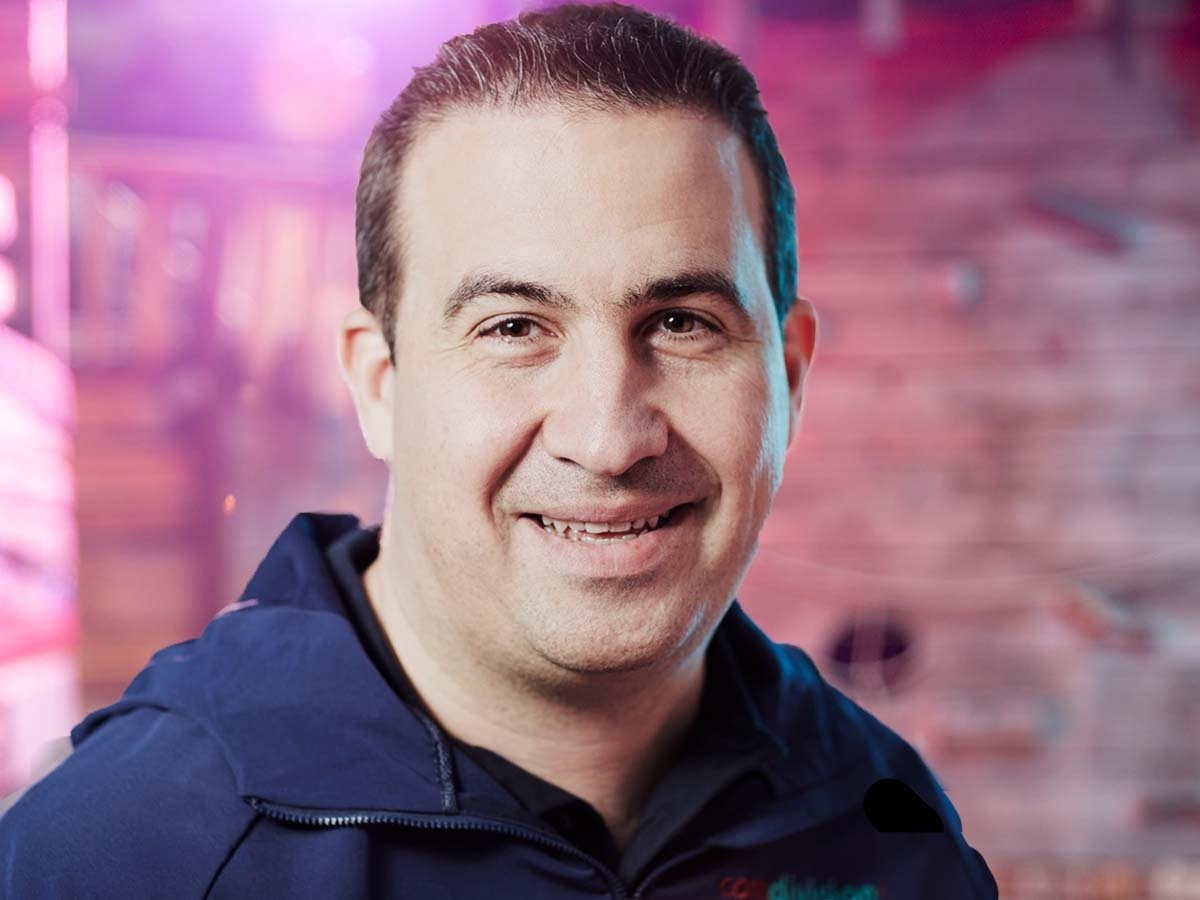
Sascha Schwunk

Sascha Schwunk is a seasoned expert in service infrastructure, with deep roots in datacenter and networking technologies. With extensive experience in VMware solutions and large-scale cloud deployments, he brings a unique blend of technical depth and strategic insight. His multi-year focus on Kubernetes and cloud-native platforms adds critical value to modern infrastructure and application transformation initiatives.
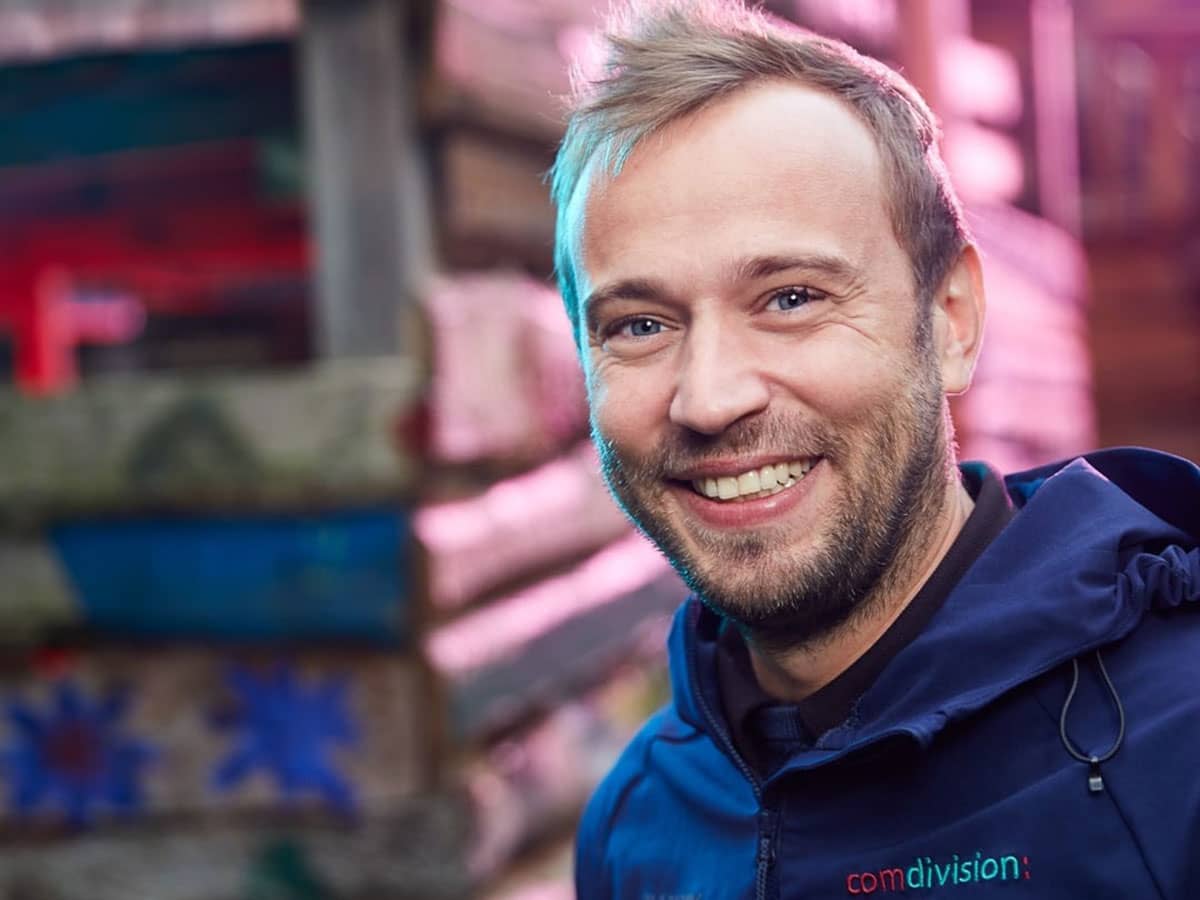
Fabian-Lenz

Fabian Lenz

Fabian Lenz is an architect and part of the leadership team at comdivision. With a strong background in virtualization and datacenter technologies, he combines hands-on expertise with a solid academic foundation in international information systems. His primary focus is on VMware technologies, where he has developed deep technical expertise supported by various certifications. In addition, he brings experience in IT service and infrastructure management, automation, software development, and project execution.